General Dentist Santa Clarita CA Help for Maintaining Healthy Gums
Healthy gums rarely get the attention they deserve. Most people notice teeth first, which makes sense. Teeth are visible, they affect your smile, and they tend to demand attention when something hurts. Gums work more quietly. When they are doing their job well, they seem almost invisible. When they are not, the signs can be subtle at first, a little bleeding in the sink, tenderness near one back tooth, breath that never seems as fresh as it should.
Those early signs matter. Gum health is the foundation that supports every tooth in the mouth. A person can have naturally strong enamel and still run into serious dental problems if the gums and surrounding bone begin to break down. From a clinical standpoint, some of the longest and most frustrating dental cases start with gum inflammation that went untreated for years because it did not seem urgent.
For patients looking for a general dentist Santa Clarita CA residents can rely on, gum care is one of the most important parts of routine dental treatment. It is not separate from general dentistry. It sits at the center of it. Cleanings, exams, home care coaching, early detection, and practical treatment planning all work together to protect gum tissue before larger problems develop.
Why gum health changes over time
Gums are living tissue, and like any other tissue in the body, they respond to stress, bacteria, injury, hormones, medication, and daily habits. That is why someone who never had gum trouble in their twenties may start seeing signs of inflammation later on. It is also why one person can brush faithfully and still develop periodontal issues if there are deeper pockets, crowded teeth, or a history of smoking.
Plaque is usually the starting point. It is a sticky film of bacteria that forms on teeth every day. If it is not removed thoroughly, it hardens into tartar, especially near the gumline. Once tartar forms, brushing alone cannot remove it. The gums react to that buildup by becoming inflamed. At first this stage is often mild and reversible. The gums may look redder than usual, feel puffy, or bleed during brushing and flossing. Left alone, that inflammation can progress and begin affecting the bone and connective tissue that hold the teeth in place.
One of the harder truths to explain to patients is that gum disease is not always painful. Cavities often announce themselves with sensitivity. A cracked tooth can create a sharp bite pain. Gums can deteriorate in a quieter way. A patient may say, “Nothing hurts, so I thought everything was fine,” and that is a very common story. Unfortunately, by the time teeth begin to feel loose or chewing feels different, the disease has often been active for a while.
The signs people tend to dismiss
Bleeding gums are commonly brushed off as “just brushing too hard.” Sometimes that is part of the story, but healthy gums generally do not bleed with normal brushing and flossing. Recurrent bleeding is a clue worth paying attention to.
Bad breath is another sign that gets underestimated. Persistent odor can come from dry mouth, tongue coating, diet, or digestive issues, but inflamed gums are a frequent contributor. If the breath problem returns soon after brushing, it may be pointing to bacteria beneath the gumline rather than a simple hygiene lapse.
Gum recession is also easy to miss because it tends to happen gradually. A tooth may start to look longer. Cold drinks may sting near the root. The patient might not notice the change until old photos make it obvious. Recession does not always mean active gum disease, because aggressive brushing, tooth grinding, and bite issues can play a role too. Still, it deserves a close look because exposed roots are more vulnerable to sensitivity and decay.
Then there is the feeling that food catches more often between certain teeth. Patients sometimes assume that means they just need to floss better. Sometimes they do. Sometimes the shape of the gum and bone between teeth has changed enough to create new spaces, and that shift can be an early warning sign.
What a general dentist actually checks during a gum evaluation
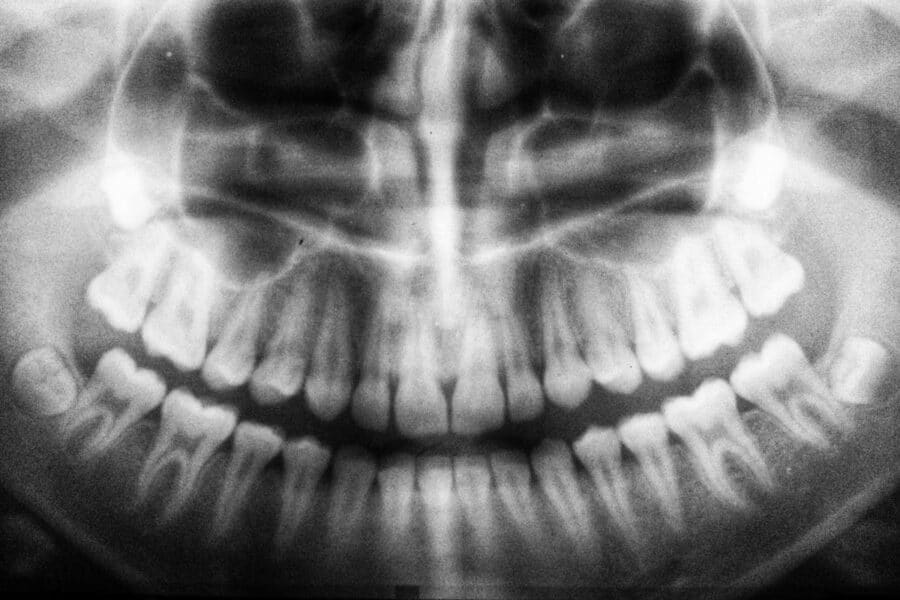
A thorough gum assessment is more than a quick glance. During a routine visit, the dentist and hygiene team look at gum color, contour, bleeding, tartar buildup, recession, mobility, and pocket depth around each tooth. X rays help show the bone level beneath the surface. Together, those findings reveal whether the issue is simple gingivitis, more advanced periodontal disease, or a non-disease problem such as brushing trauma or clenching.
Pocket depth is especially important. The space between the tooth and gum is measured carefully. Shallow measurements are generally easier to keep clean. Deeper pockets can trap bacteria where a toothbrush and floss may not reach effectively. A patient can feel as if they are doing everything right at home and still need professional treatment if the pockets are too deep to maintain on their own.
This is where the value of a general dentist Santa Clarita CA families see regularly becomes clear. Familiarity matters. When the same office has records over time, changes stand out sooner. A single millimeter of recession in one area, a new bleeding pattern, or bone loss that was not present two years ago can shape treatment decisions before the condition becomes more difficult and expensive to manage.
The everyday causes behind unhealthy gums
Most gum problems do not start with one dramatic event. They build from repeated small factors. Poor brushing and inconsistent flossing are common contributors, but they are not the whole picture. Technique matters almost as much as frequency. A person can brush twice a day and still miss the gumline consistently.
Crowded teeth create narrow spaces where plaque matures undisturbed. Older dental work with rough or overhanging margins can catch debris. Mouth breathing can dry the tissues and make them more reactive. Tobacco use remains a major risk factor, and it complicates healing even in patients who otherwise maintain good routines.
Hormonal changes can also shift gum response. Pregnancy, puberty, and menopause can all increase sensitivity to plaque. Certain medications contribute to dry mouth or gum overgrowth. Diabetes can affect the body’s ability to manage inflammation and infection. None of these factors guarantee gum disease, but they raise the stakes and make personalized care more important.
Stress deserves mention too. People under stress often clench, grind, skip home care, eat differently, and sleep less. Those habits can converge in the mouth. It is not unusual to see a patient go through a demanding season at work or at home and return six months later with more inflammation than usual.
Home care that actually helps
Patients often ask whether they need a complicated routine. Usually they do not. They need a consistent one, and they need a technique that matches their mouth.
Brushing should be gentle but deliberate, with attention to the gumline rather than just the visible surfaces of teeth. Short strokes and a soft bristle brush are usually the safest approach. Scrubbing harder does not clean better. In many cases it simply wears away enamel near the gumline and irritates the tissue.
Flossing remains useful because it reaches the tight contact between teeth where a brush cannot. That said, floss is not the only effective tool. Interdental brushes, soft picks, or a water flosser may be better for some patients, especially those with bridges, implants, wider spaces, or limited hand dexterity. The right tool is the one the patient can use correctly and consistently.
Mouthrinse can play a supporting role, but it is not a substitute for mechanical cleaning. Some antimicrobial rinses are helpful for short periods when inflammation is active. Others are marketed aggressively but offer little beyond temporary freshness. A good dentist will usually be practical about this, recommending products selectively rather than sending every patient home with a bag full of extras.
A useful daily routine often looks like this:
- Brush thoroughly twice a day, spending enough time along the gumline.
- Clean between the teeth once a day with floss or another interdental tool that fits properly.
- Replace brushes or brush heads regularly, especially when bristles begin to splay.
- Stay hydrated and address dry mouth early if medications or mouth breathing are an issue.
- Keep recall visits on schedule so small changes are caught before they become major treatment.
That list sounds basic, and in many ways it is. The challenge is not complexity. It is consistency. The patients with the healthiest gums are not usually the ones using ten products. They are the ones who have a manageable routine and stick with it.
Professional cleanings are not interchangeable
There is a common assumption that every dental https://josuemtzv967.talesignal.com/posts/why-more-patients-choose-a-general-dentist-in-santa-clarita-ca cleaning is basically the same. From the outside, they may look similar. Clinically, they are not. A preventive cleaning for a patient with healthy gums is very different from treatment for active periodontal disease.
If inflammation is present but there is no deeper attachment loss, a standard cleaning combined with improved home care may be enough. If deeper pockets and bone loss are involved, the treatment often needs to go below the gumline to remove hardened deposits and reduce bacterial load more thoroughly. That process is more involved because the problem itself is more involved.
One of the more difficult conversations in a dental office happens when a patient says, “I just want my regular cleaning,” but the gums no longer support that approach. It is not a matter of upselling. It is a matter of matching care to the actual condition in the mouth. When disease is active, treating it lightly wastes time and allows damage to continue.
Maintenance matters after treatment as well. Some patients do best on three month periodontal maintenance visits rather than the traditional six month schedule. That shorter interval is not arbitrary. It reflects how quickly harmful bacteria can repopulate and how much risk a particular patient carries. For a patient with a history of periodontitis, those maintenance visits often make the difference between stability and relapse.
The local factor in Santa Clarita
Every community has its own patterns, and Santa Clarita is no exception. Busy family schedules, long commutes, youth sports, outdoor activities, and packed calendars all make it easy for preventive care to slide. People postpone visits because nothing feels urgent. Then the issue that could have been managed with a cleaning and coaching turns into deeper therapy, restorative work, or even tooth loss.
A general dentist Santa Clarita CA patients see consistently can help by making gum care realistic rather than idealized. That means discussing coffee habits, late night snacking, sports drinks, orthodontic retainers, grinding, and inconsistent sleep without judgment. Dentistry works best when it reflects how people actually live. Advice that cannot fit a patient’s day rarely lasts.
Local water quality, climate, and lifestyle can affect the mouth in smaller ways too. Dry conditions and dehydration can reduce saliva’s protective effect. Frequent sipping of sweetened or acidic drinks during hot weather can shift the oral environment. None of these issues are unique to Santa Clarita, but they show up often enough to deserve practical attention.
When gums affect more than your mouth
It is worth saying clearly that unhealthy gums can have consequences beyond tenderness or bleeding. Severe periodontal disease can jeopardize teeth that are otherwise restorable. A beautiful crown does not succeed for long on a tooth with failing support. Orthodontic treatment is harder to plan when gum stability is poor. Implant planning also depends on the health of surrounding tissue and bone.
There is also the daily quality of life piece, which matters more than some people realize. Sore gums make eating less comfortable. Bleeding during brushing can make patients avoid the very cleaning they need. Chronic bad breath affects confidence in close conversations. Looseness changes the way a person chews and can make them favor one side of the mouth. These are not minor frustrations when they become part of everyday life.
Cases that need special attention
Some gum situations deserve faster action. A localized swelling near one tooth, especially if there is pain or drainage, may indicate an abscess or a trapped foreign object under the gum. Sudden recession in one area can point to brushing trauma, a bite problem, or a structural issue with the tooth itself. Gums that seem to grow over the teeth may be linked to medications or chronic inflammation. White patches, persistent sores, or tissue changes that do not resolve need professional evaluation, because not every gum problem is simply plaque related.
Patients with braces, clear aligners, bridges, implants, or dexterity limitations often need customized home care. A routine that works for a teenager with naturally spaced teeth may not work at all for an older adult with crowns and recession. This is where personalized instruction earns its keep. Five minutes of targeted coaching can fix years of ineffective brushing.
For children and teens, gum issues are often easier to reverse, but habits form early. Bleeding around orthodontic brackets is common, and it should never be written off as inevitable. With the right tools and reinforcement, most young patients can improve quickly. For older adults, recession, dry mouth, medication effects, and root exposure become more common, so the focus often shifts from purely preventive care to maintenance and protection.
Questions worth asking at your next dental visit
Many patients are not sure what to ask about their gums, so they leave visits with only a vague sense of how things are going. A few focused questions can make the conversation much more useful.
You might ask whether your gums are stable compared with your last exam, whether any areas bleed consistently, whether pocket depths have changed, and whether your current home care method is the best fit for your teeth. If recession is present, ask what is causing it and whether it is progressing. If you have bad breath or sensitivity, ask whether gum inflammation is part of the cause.
These questions move the appointment from passive reassurance to active prevention. They also help patients understand that gum health is measurable. It is not just a matter of being told that everything “looks fine.”
What steady gum care looks like over the long run
The best gum outcomes rarely come from dramatic interventions alone. They come from steady, repeatable care over years. A patient notices bleeding and addresses it early. A cleaning schedule is adjusted when pocketing appears. A rough filling margin gets corrected before it becomes a plaque trap. A night guard is made when grinding starts contributing to recession and mobility. Each step is modest. Together, they preserve comfort, function, and options.
That is the real value of working with a trusted dental office. Good gum care is not only about responding to disease. It is about noticing patterns, making small course corrections, and helping patients protect the support system their teeth depend on.
If your gums bleed, feel tender, look puffy, or seem to be pulling away from your teeth, it is worth getting a proper evaluation sooner rather than later. Problems caught early are usually easier to treat, easier to maintain, and far less disruptive to your life. For anyone searching for a general dentist Santa Clarita CA residents can turn to for practical, preventive care, gum health should be part of that conversation from the very first visit.
Smyle Dental Newhall
Address: 23754 Newhall Ave, Santa Clarita, CA 91321
Phone number: +16612559200
FAQ About General dentist Santa Clarita CA
What does it mean by general dentist?
A general dentist is your primary dental care provider. They focus on the overall prevention, diagnosis, and treatment of your daily oral health needs. Think of them as your primary care doctor, but for your teeth and gums.
What is the difference between a dentist and a general dentist?
A dentist is a broad professional title for any licensed oral healthcare provider, while a general dentist is a specific type of primary care dentist who focuses on routine, preventive, and everyday treatments.
What is the difference between a dentistry practitioner and a dentist?
A dentist is a licensed doctoral-level healthcare professional, whereas a dental practitioner is a broader umbrella term that can include dentists as well as other trained oral health professionals.